
Battery problems
It has happened to all of us that at some point we have tried to start our vehicle, and it doesnt work. Battery failure is unpredictable and almost always occurs at the most inappropriate time. This always means we will have an average wait time of 45 minutes to 2 hours (depending on the area where the breakdown occurs and the time of the year).
For the last few decades, batteries have not undergone significant changes in their structure or performance. The needs of electric power in today´s vehicles are increasing due to changes and improvements related to safety, comfort, efficiency, etc. This requires stricter parameters in terms of voltage, current, frequency, etc. We need a continuous power supply to be able to properly power the vehicle's electronics so that it can function optimally. If the battery failure is too serious, it will not only prevent the vehicle from starting, but will not be able to continue operating (if it is started) due to the failure of electrical or electronic systems that will be poorly fed from the alternator. The vehicle will tend to stop and during this time, the control of the vehicle or handling may be erratic.
By combining a chemical battery with a PBS-A device, we ensure a continuous power supply with the right parameters, regardless of the chemical source it is using (lead, lithium...). PBS-A system guarantees the start-up and operation of both combustion vehicles and hybrids. In electric vehicles, the PBS-A system ensures a constant power supply if the main battery fails, allowing time before the vehicle's electronics do not function properly. It also offers other improvements, such as greater autonomy after a charge, greater power for longer periods of time or longer battery life.

We need to make batteries more intelligent
If batteries have changed so little in recent decades, can they provide the energy a current vehicle needs at any given time? The answer to that question is clearly yes, otherwise 90% of existing vehicles would not be able to operate, and we would have to think in another type of mobility.
However, even if the battery is able to do its job, it's time to improve and evolve, to live up to the times in which we live. Batteries are the only part of the vehicle that has remained virtually unchanged over the decades. Today, some changes are beginning to be seen, but the concept is mostly the same.



Battery problems
It has happened to all of us that at some point we have tried to start our vehicle, and it doesnt work. Battery failure is unpredictable and almost always occurs at the most inappropriate time. This always means we will have an average wait time of 45 minutes to 2 hours (depending on the area where the breakdown occurs and the time of the year).
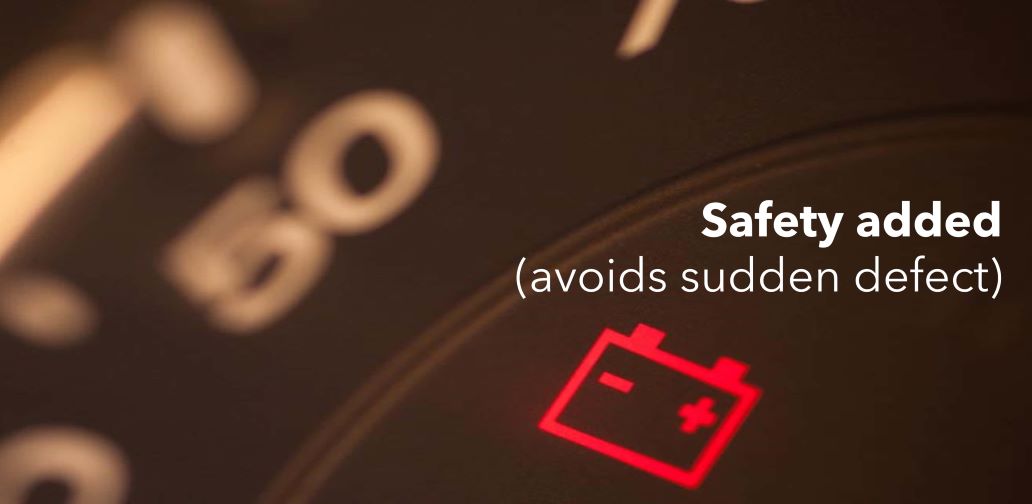
For the last few decades, batteries have not undergone significant changes in their structure or performance. The needs of electric power in today´s vehicles are increasing due to changes and improvements related to safety, comfort, efficiency, etc. This requires stricter parameters in terms of voltage, current, frequency, etc. We need a continuous power supply to be able to properly power the vehicle's electronics so that it can function optimally. If the battery failure is too serious, it will not only prevent the vehicle from starting, but will not be able to continue operating (if it is started) due to the failure of electrical or electronic systems that will be poorly fed from the alternator. The vehicle will tend to stop and during this time, the control of the vehicle or handling may be erratic.
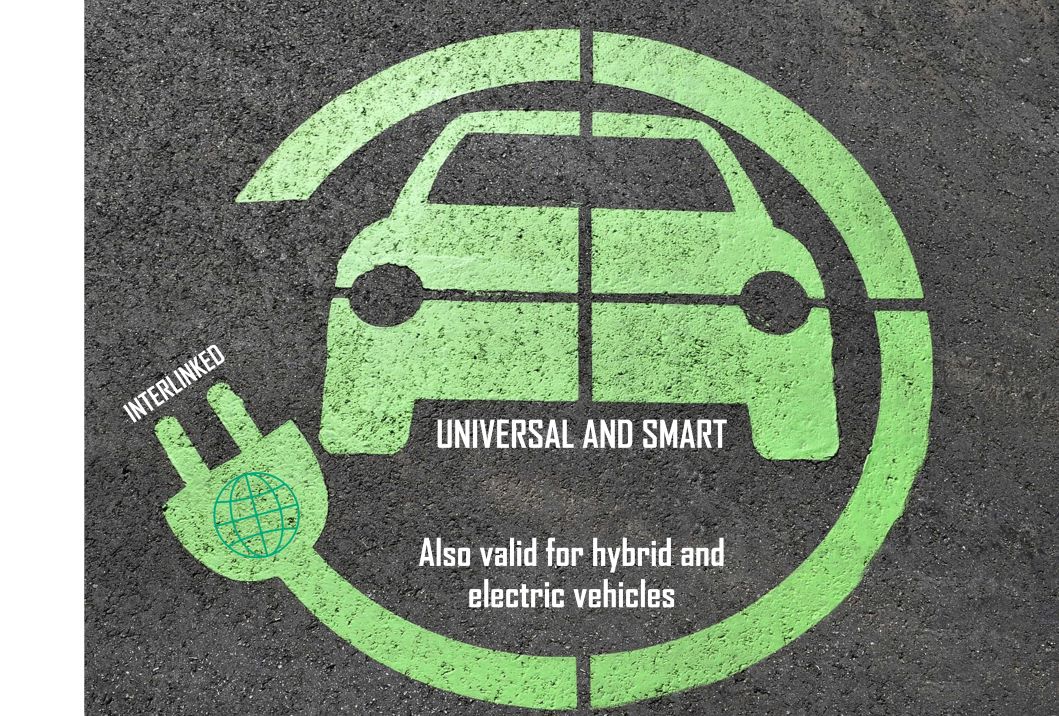
By combining a chemical battery with a PBS-A device, we ensure a continuous power supply with the right parameters, regardless of the chemical source it is using (lead, lithium...). PBS-A system guarantees the start-up and operation of both combustion vehicles and hybrids. In electric vehicles, the PBS-A system ensures a constant power supply if the main battery fails, allowing time before the vehicle's electronics do not function properly. It also offers other improvements, such as greater autonomy after a charge, greater power for longer periods of time or longer battery life.
We need to make batteries more intelligent
If batteries have changed so little in recent decades, can they provide the energy a current vehicle needs at any given time? The answer to that question is clearly yes, otherwise 90% of existing vehicles would not be able to operate, and we would have to think in another type of mobility.
However, even if the battery is able to do its job, it's time to improve and evolve, to live up to the times in which we live. Batteries are the only part of the vehicle that has remained virtually unchanged over the decades. Today, some changes are beginning to be seen, but the concept is mostly the same.

PBS-A device arrives
Given the range of current battery problems, a change and a renewal towards safer and more reliable use is necessary. It would therefore be very important to have a more effective and efficient system in which the driver forgets completly about battery problems. From PBS-A Labs we offer a revolutionary system of management, control, and transfer of energy. The PBS-A system provides advantages that solve the inherent disadvantages of a conventional battery. In addition, batteries with a PBS-A system are safer and more reliable, and have several improvements, which are specified in the application and advantages tabs. Its operation is very simple: its single connection parallel to the vehicle's power supply, without wiring or additional connection to any other point, it is all done within the PBS-A system.

2023 PBS-A Labs ©
2023 PBS-A Labs ©
 English
  Español